Gene therapy offers the possibility of a cure for many genetic disorders, especially those involving a single gene. The first kind of gene therapy used a virus to carry a corrected copy of the gene into people’s cells. When the early viral vectors used in the 1990s were found to have off-target effects, sometimes even causing cancer, investigators refined them to be safer.
David Williams, MD, who founded Boston Children’s Hospital’s gene therapy program in 2010, was instrumental in this effort. He had helped develop viral vector technology as a hematology/oncology fellow in the early 1980s. Today, most of the hospital’s current gene therapy trials still involve viral vectors.
A newer method, gene editing, uses enzymes that cut DNA to delete, insert, or correct genes. Gene editing is now in multiple clinical trials, including a beta-thalassemia trial at Boston Children’s. But there are still theoretical safety concerns.
“Any time you cut DNA, you worry about creating a mutation that you didn’t intend,” says Williams, now Boston Children’s chief scientific officer.
Williams has his sights set on the future. And that future will involve base editing — which might prove to be the safest, most precise form of gene therapy yet.
A strategic alliance
CRISPR changes part of a gene, using targeted “cutting” enzymes to delete and/or add a piece of DNA.
Base editing uses targeted enzymes to chemically change one base to another, essentially correcting a single “letter” of a gene’s code.
To explore base editing, the hospital has just formed a strategic alliance with Beam Therapeutics, a Cambridge-based biotechnology company. Under the three-year agreement, Beam will sponsor multiple research programs at Boston Children’s, using Beam’s pioneering base-editing technologies, to facilitate development of disease-specific therapies.
“We benefit from their scientific innovation, and they benefit from our significant background in doing gene therapy trials, including regulatory experience, as well as access to our top scientists and clinical programs,” says Williams. “We see this as another step in the continued development of our gene therapy program.”
Gene therapy 3.0
Base editing is like spell correction for the genome. It creates precise changes in the genetic code, one “letter” at a time. The letters are bases, the smallest building blocks of our genome. There are four: adenine (A), cytosine (C), guanine (G), and thymine (T).
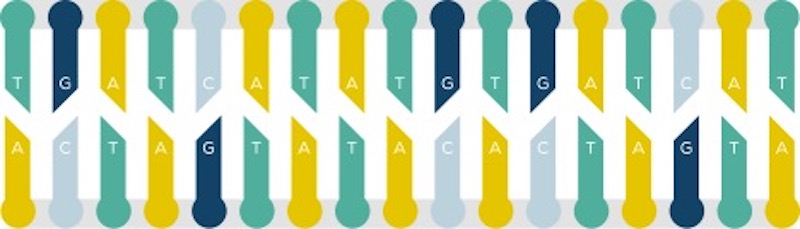
Unlike gene editing strategies such as CRISPR, base editing does not cut DNA. Instead, it introduces an enzyme that homes to a specific spot in DNA, guided by a complementary piece of RNA. The enzyme then chemically transforms one base into another — changing C to T, or A to G. These small changes can correct a point mutation, silence a disease-causing gene, or help activate a specific gene.
Williams thinks base editing will solve many of the safety concerns around both traditional gene therapy and gene editing. But he cautions that it’s an emerging approach that hasn’t yet been tested in clinical trials.
“It’s still very early,” he says. “Whether base editing approaches will be as successful as viral vector gene therapy is what we hope to find out through our collaboration.”
Base editing projects on deck
The collaboration will start with blood disorders in which blood cells can be removed from the body, treated, and returned to the patient — so-called “ex vivo” gene therapy. “In vivo” gene therapy, in which the gene therapy treatment is introduced directly into the body, is a longer-term goal, as it poses more challenges in targeting the treatment to the right tissue or organ.
The first projects:
Using base editing to prevent and treat graft-vs-host disease
Unless a fully matched donor is available, bone marrow transplants pose a risk for life-threatening graft-versus-host disease, in which the donor’s T-cells attack the recipient’s tissues and organs. A project led by Leslie Kean, MD, PhD, who directs the Hematopoietic Stem Cell Transplant Program at Dana-Farber/Boston Children’s Cancer and Blood Disorders Center, will explore base editing of regulatory T cells to prevent and treat GVHD.
Collecting blood stem cells from patients with sickle cell disease
John Manis, MD, associate director of Transfusion Medicine at Boston Children’s, is being tapped by Beam for his expertise in isolating blood-forming stem cells from the blood of patients with sickle cell disease. Genetically corrected and infused back into the patient, those cells should then be able to produce healthy, non-sickling red blood cells. With Beam’s technology, large amounts of blood stem cells must be gathered to generate a base-edited cellular drug product. And therein lies the challenge: blood stem cells are harder to isolate from people with sickle cell disease.
“Without being able to collect enough cells, we can’t get base editing treatments to work,” Manis explains. “Our lab has adapted the apheresis collection method for people with sickle cell disease, and our efficiency is much higher than in most other centers. Not many centers are doing apheresis research.”
Other projects planned
Down the road, Beam may sponsor additional research projects as they identify scientists and projects where their interests align with the hospital’s.
“As the technology evolves, we’re hoping to apply gene therapy to a broader spectrum of diseases than we have in the past, and to do that in a way that’s safer,” says Williams.